News
I was excited to be part of the ARCA Summer School in Padua
The ARCA initiative: Unlocking psychological expertise for academic and business success
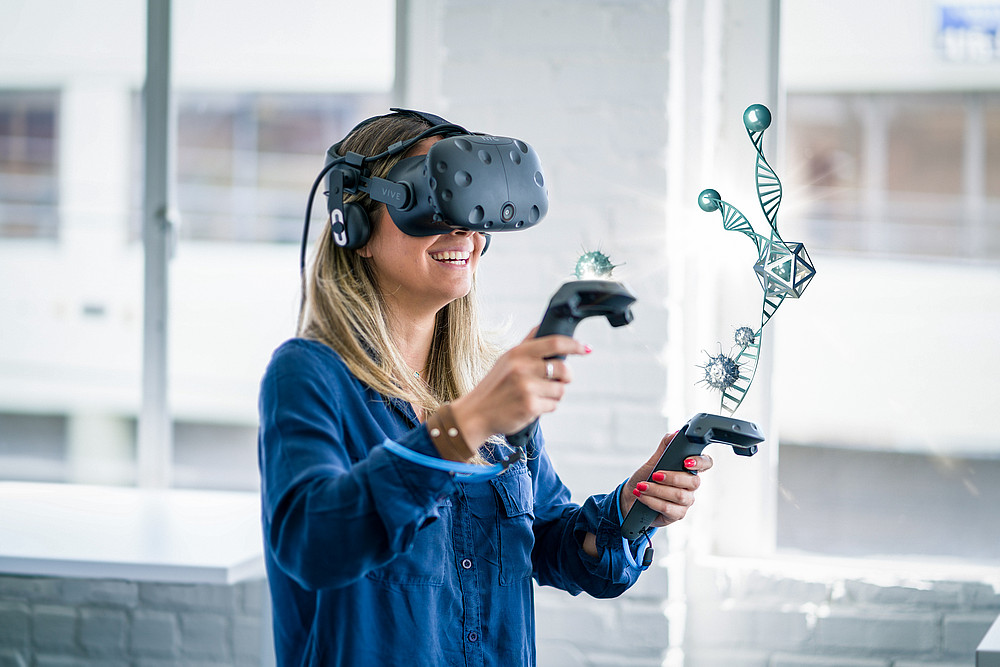
As part of the program, I gave a talk and workshop on “Virtual Reality in Brain-Computer Interfaces” to a group of highly engaged students interested in the intersection of psychology and technology.
We explored how VR can be integrated with BCIs/neurofeedback, the potential of this combination for neurorehabilitation, therapy, and training, and the practical challenges involved (e.g., usability, cognitive load, and signal quality).
Inclusive Neurofeedback Research
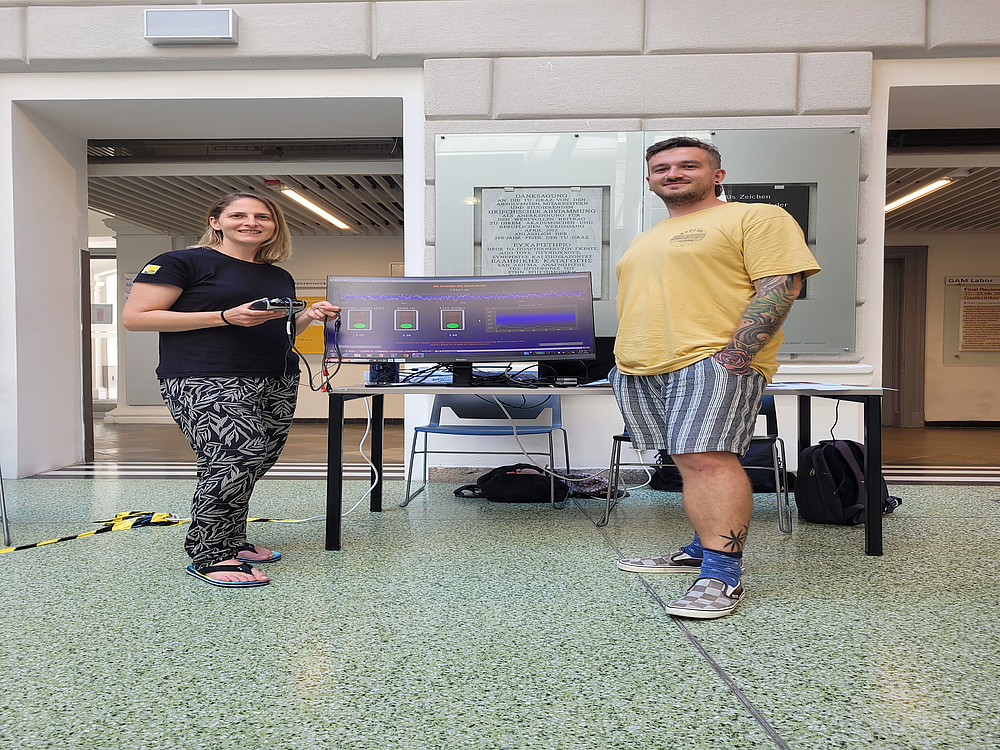
At UniTy’s “Inclusion Day” at TU Graz, we had the opportunity to present our neurofeedback research.
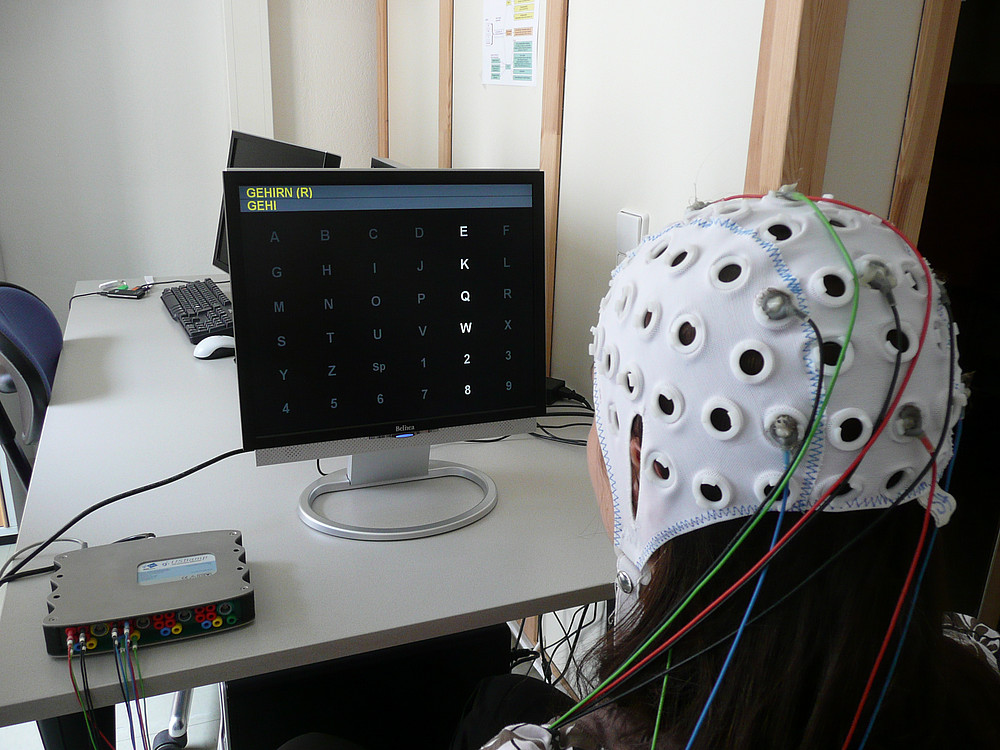
We showed how neurofeedback can be used to learn to deliberately regulate one’s own brain activity - for example, to improve attention - and how this training can be tailored to individual needs.
We also spoke openly about the possibilities and limitations of neurofeedback, emphasizing what this approach can do and what it (currently) cannot.

Thomas Kanatschnig wins the Open Science Award 2025/26
At the 30th Doctoral Congress of the Doctoral School of Psychology on 29 May 2026, the “Award for Transparent and Open Science” (Open Science Award) was once again presented for a scientific article by a doctoral student. This year, the prize was awarded to Thomas Kanatschnig for his article “EEG theta and alpha oscillations during tactical decision-making: An examination of the neural efficiency hypothesis in volleyball”, which exemplarily implements the principles of open science.
My sincere congratulations!
Podcast "How can we bridge the gap between academic theory and real-world practice?"
Together with Claudia Padovani from the University of Padua, I was invited to record a podcast episode as part of the Arqus Knowledge Pills series on the topic “How can we bridge the gap between academic theory and real-world practice?”.
Here you can find the link to the podcast.


Podcast "Neurofeedback and how to use it"
In this podcast episode, I talk together with Dr. Lisa Berger and Dr. Sonja Kleih-Dahms about what neurofeedback is, the different methods available, and how it is applied.
Here you can find the link to the podcast:
Arqus Teaching Excellence Award 2025
Silvia Kober wins the Arqus Teaching Excellence Award 2025!
This international teaching award recognises university teachers who demonstrate innovative teaching methods, commitment and excellent student support. The award is presented by the European University Alliance Arqus. Silvia Kober was honoured for her seminar "Applied Neuropsychology in Human-Computer Interaction", which took place in the winter semester 2023/24. The award ceremony took place in Leipzig on 3 April 2025.


VR meets AI
Stepping into the Future of AI-Driven Human-VR Interaction: Insights from Current Research and Practical Methodologies
Together with the Department of Educational Psychology, we are organising a workshop on "Stepping into the Future of AI-Driven Human-VR Interaction: Insights from Current Research and Practical Methodologies" (19-20 June 2025)
New paper on the need to disclose distribution parameters of qEEG databases
Fat tails and the need to disclose distribution parameters of qEEG databases
Gaming for science
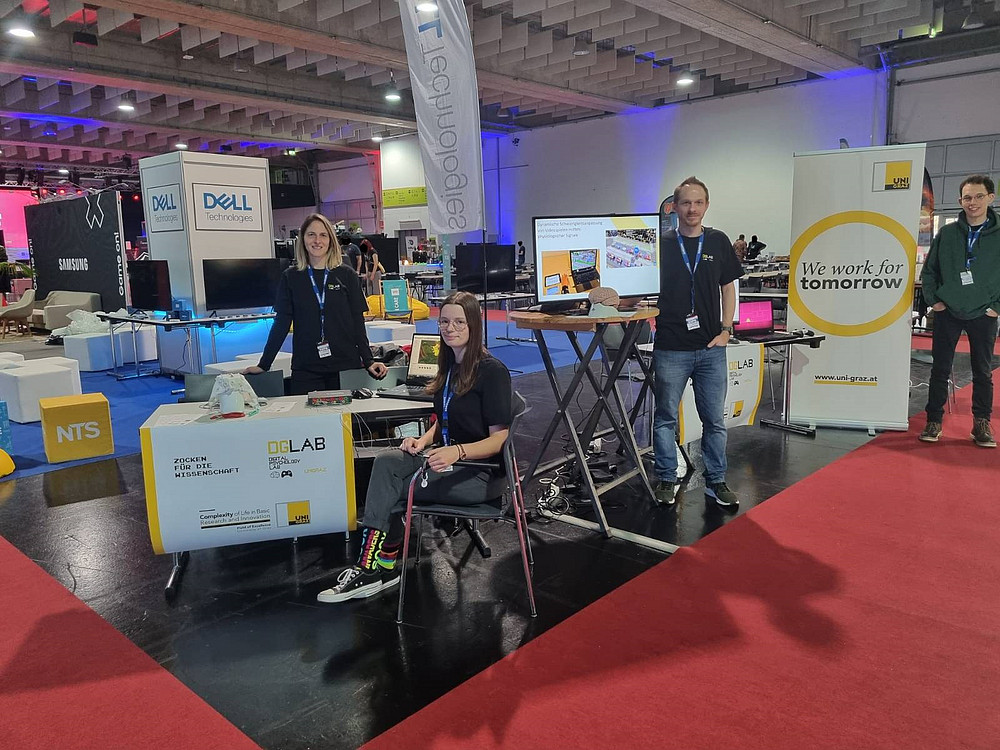
Presentation of our research at VulkanLAN 2023
Together with the Digital Psychology Lab we presented our research on "Gaming for Science" at VulkanLAN 2023.